Your Garage Door Spring Broke — What to Do (and Not Do)
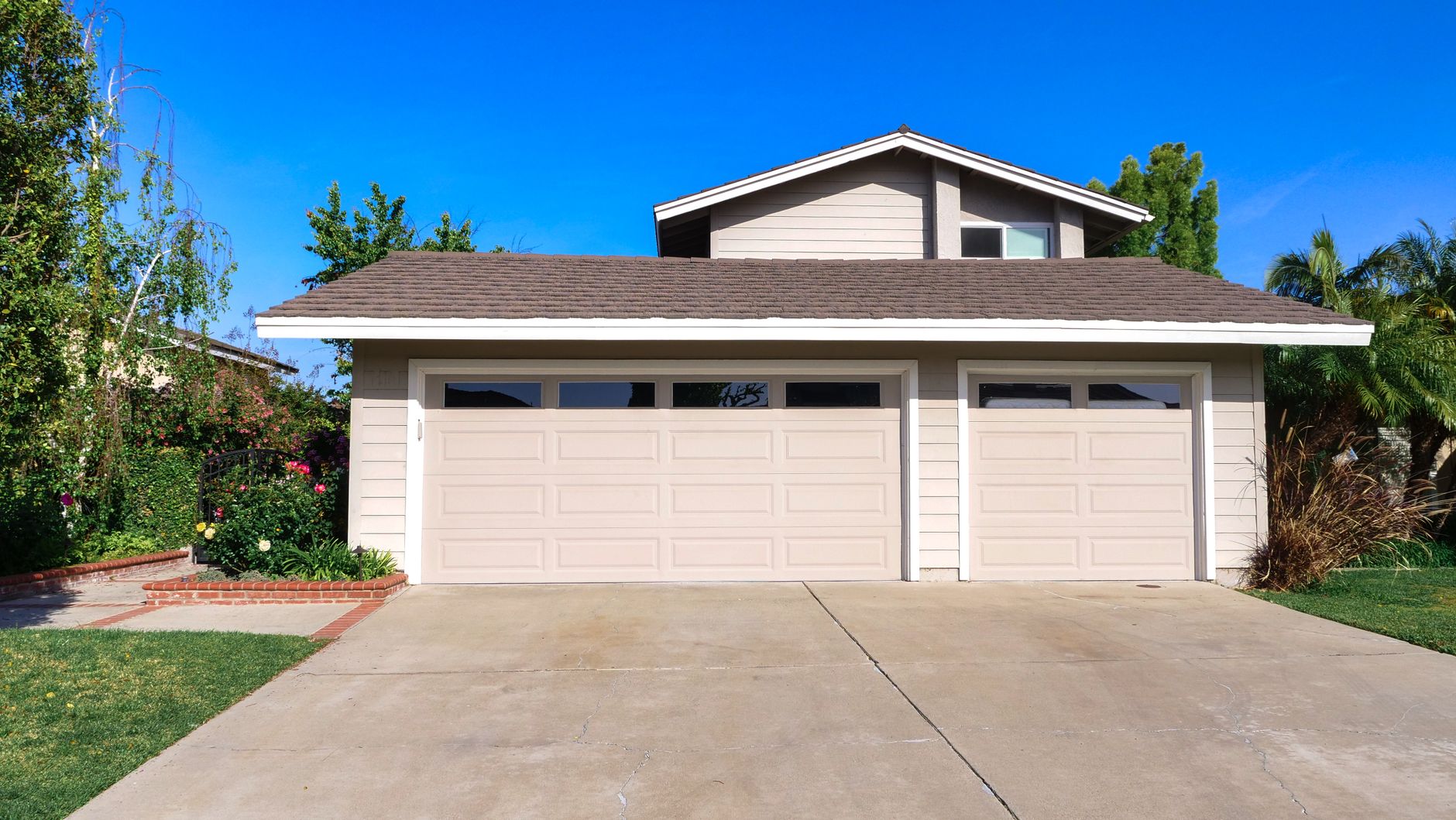
A loud bang or crack from your garage, followed by a garage door that won't open or feels unusually heavy, usually means one thing: your spring has broken. This is one of the most common garage door failures we see here on the Cape Fear coast, and it's also one of the most important to handle correctly. Before you do anything else, take a breath and understand what's actually happened and why it matters.
Garage door springs carry enormous tension—we're talking about hundreds of pounds of force compressed into a metal coil. When a spring breaks, that tension is suddenly released, and the door loses its balance. The door itself might still be intact, but it's now a safety liability. Never try to manually lift the door, and don't attempt to use the garage door opener. The motor will strain, the cables could snap, and you could injure yourself. Even if the door seems to move a little, that's a sign the system is compromised.
Here's what you should do right away: First, make sure no one is under or near the door. If the door is partially open, leave it as is. If it's closed, keep it closed. Don't try to prop it open with tools or blocks—that's not safe and won't help. Second, take a photo of the door and the garage interior if you can do so safely. This helps when you call a professional. Third, check whether you have any immediate needs—do you need to get a car out, or is the garage blocked off? This will help you decide how urgently to call for service.
The reason we emphasize calling a professional for spring repair is straightforward: replacing a garage door spring requires specialized knowledge, tools, and safety precautions. The springs are under extreme tension, and improper handling can cause serious injury or death. This isn't like fixing a squeaky hinge. A trained technician knows how to safely release the tension, remove the old spring, install a new one, and test the entire system. They also know whether you need a torsion spring (which sits above the door) or extension springs (which run along the sides), and they can match the correct spring type and size to your door's weight and design.
While you're waiting for a professional to arrive, you might wonder about temporary solutions. The honest answer is that there aren't many safe ones. You can't safely operate the door manually, and you shouldn't try to rig anything. If you absolutely must get a vehicle out, call a professional emergency service—many offer same-day or next-day appointments in the Wilmington area, especially if your situation is urgent. Most homeowners find that waiting a day or two is manageable, and it's worth it to avoid risk.
One thing worth knowing: garage door springs typically last between 7 and 12 years, depending on how often you use the door and the quality of the spring. If your door is older and you've had it for a while, a spring failure is actually normal wear and tear, not a sign of a defective product. Some homeowners choose to replace both springs at the same time, even if only one broke, since the other is likely near the end of its life too. This is a smart long-term move that prevents a second breakdown a few months later.
The cost of spring replacement varies depending on the type of spring, your door's size, and whether you're replacing one or both springs. Rather than guess, it's best to get a quote from a local professional who can assess your specific setup. What we can tell you is that the cost is usually far less than the risk of injury or the damage that can result from trying to DIY this repair.
If your garage door spring has broken, don't panic—this is fixable. Just remember: stop using the door, call a professional, and avoid any DIY attempts. The technicians at Wilmington Garage Door Pros are here to help with spring repairs and any other garage door issues on the Cape Fear coast. We'll get your door back in safe, working order quickly and professionally.
Dealing with this in the Cape Fear coast? Call (910) 407-0134 for a free garage door repair estimate.